‘In the end we will conserve only what we love; we will love only what we understand and we will understand only what we are taught.’ (Babe Dioum, 1968).
I have always been an environment lover. I love to see the beauty of nature, to fill my lungs with fresh air in the morning, walk on the beach and to see how the flowers blossom in Spring.
BUT now when I walk outdoors, I am often frustrated by the polluted air; while the silky sands on my favourite beach are replaced with countless trash. This is NOT how the environment should look like! Why couldn’t other people love the environment as I do?
Recalling the discussion I had around environmental protection at school when I was younger, I feel guilty about what we’ve done to the environment. Therefore, I feel the need to write this blog.
After reading this blog, I hope you will understand:
- Why we must teach environmental education at school
- Why we must teach children to love the environment using extrinsic motivators
- Strategies for schools to teach environmental education
- Examples of successful environmental education

What exactly is the environment?
Well, there is not yet an agreed definition of what the environment includes. According to the Environmental Law in England, air, waste, water, wildlife, energy, climate change and so forth are categorised under the environmental law (Legislation Gov UK, 2019). So basically, everything visible or invisible on Earth belongs to the environment.
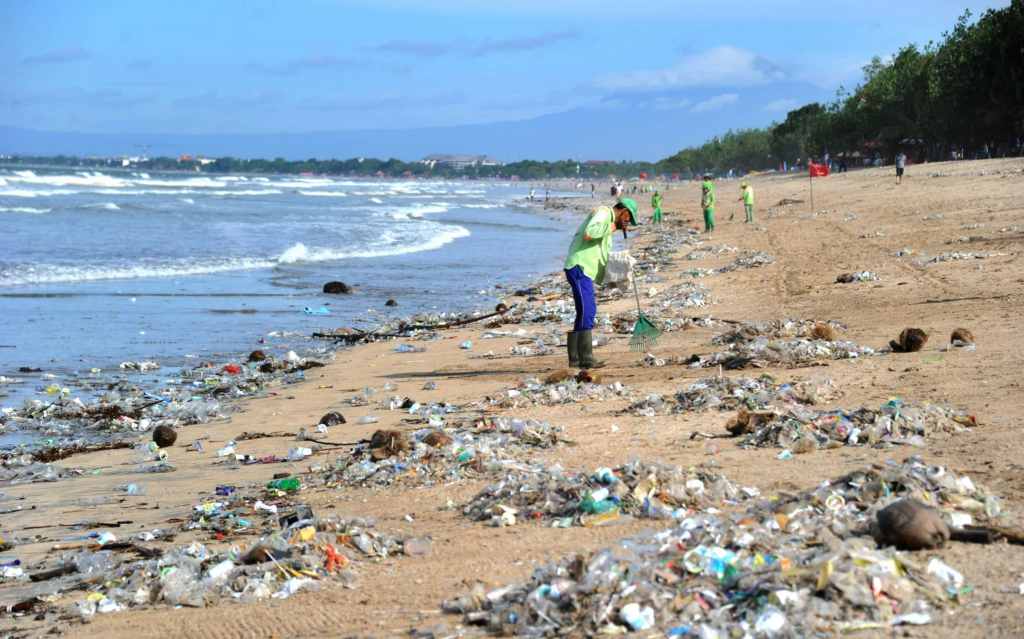
Have you walked on a beach full of trash?
Have you walked in a smoggy city?
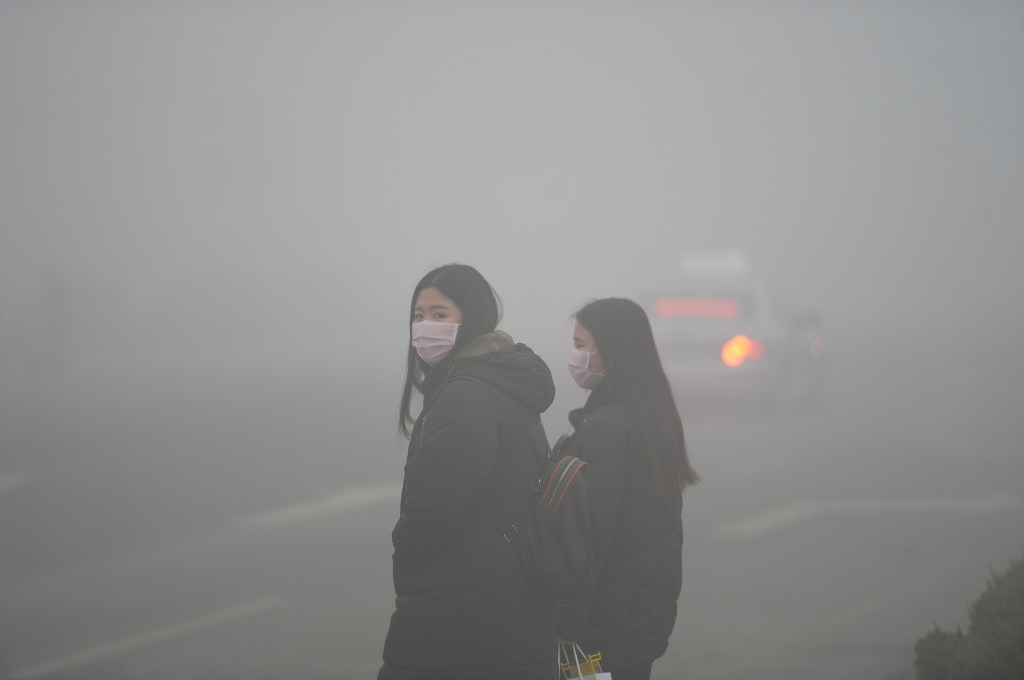
These pictures show how our Earth looks like now. We can see the Earth is dirtier and more polluted. The environmental issues are more serious and imminent than we thought.
Take air pollution as an example:
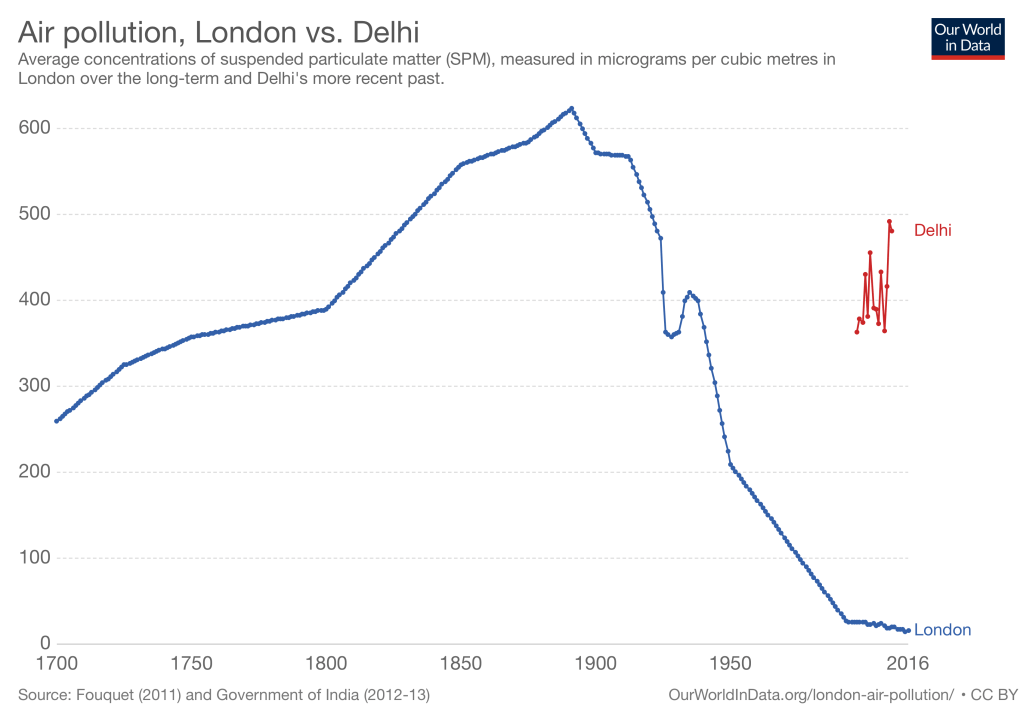
We can see that air quality was the worst during the industrialisation period between the 1800s and the 1900s (Austin and Sugihara, 2013). Long story short, factories were run using power-driven machines aiming to foster economic development (Austin and Sugihara, 2013). This led to the excessive use of fossil fuels. More air pollutants, such as carbon dioxide, were released into the atmosphere. The more air pollutants in the atmosphere, the more heat is trapped in the Earth surface, which amplifies the greenhouse effect. Gradually, global warming is intensified.
Sadly, global warming has led to more problems like the melt of ice and glaciers.
Now, have a look at this video.
As you can see from the photographs showed, glacier in Iceland has retreated 80% since 1912. More water has flown into the oceans and sea level have risen for 20 centimetres in the last century (Hock, 2005; National Geographic, 2019). This results in many problems, such as flooding, lost of habitats and submerge of low-lying areas (Douglas, Kearney and Leatherman, 2000). Flooding caused by the rise of sea levels would cost 14 USD trillion worldwide per year, found the UK National Oceanographic Centre.
Why environmental education?
Protecting the environment is our responsibility since environmental issues are caused by human activities (Pellizzoni, 2004). As environmental issues have become part of our lives (McGrew, 1990), we cannot stay away from protecting the environment. We should cultivate a sense of love to the environment within children, so they would be mindful of environmental issues and consume environmentally-friendly when they grow up.
If we had used less fossil fuel, if we had cut down fewer trees, if we had made factories release fewer air pollutants, the Earth would not have become how it looks like now! Are these problems preventable? Yes, they are! So, other than taking remedies, educating our children to love the environment is the most effective way to prevent the Earth from further deterioration.
Natural resources and species are limited, once they are gone, they are gone!
A case study-- Endangered species:
The International Union for Conservation of Nature (IUCN) is an internationally recognised authority that monitors environmental conservation and sustainable development (IUCN, 2015). They showed that the list of endangered animals is getting longer since the 1980s, with more than 27000 species are under threats (IUCN, 2015).
If we do not learn to behave environmentally-friendly and continue to consume natural resource inconsiderably, our children will never see , Black-footed Ferret and Sea turtles by person in the future. Well, it is not like these species are easily found on the street, but when our children visit the Nile Basin, the Great Plains and the ocean in the future, they can never find the endangered species.
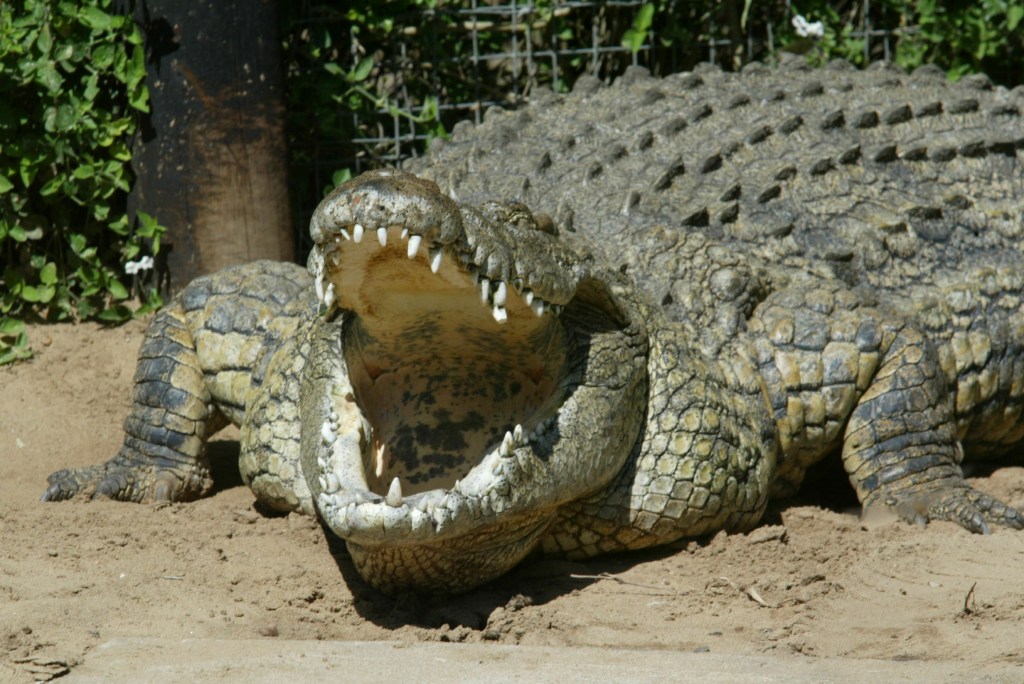
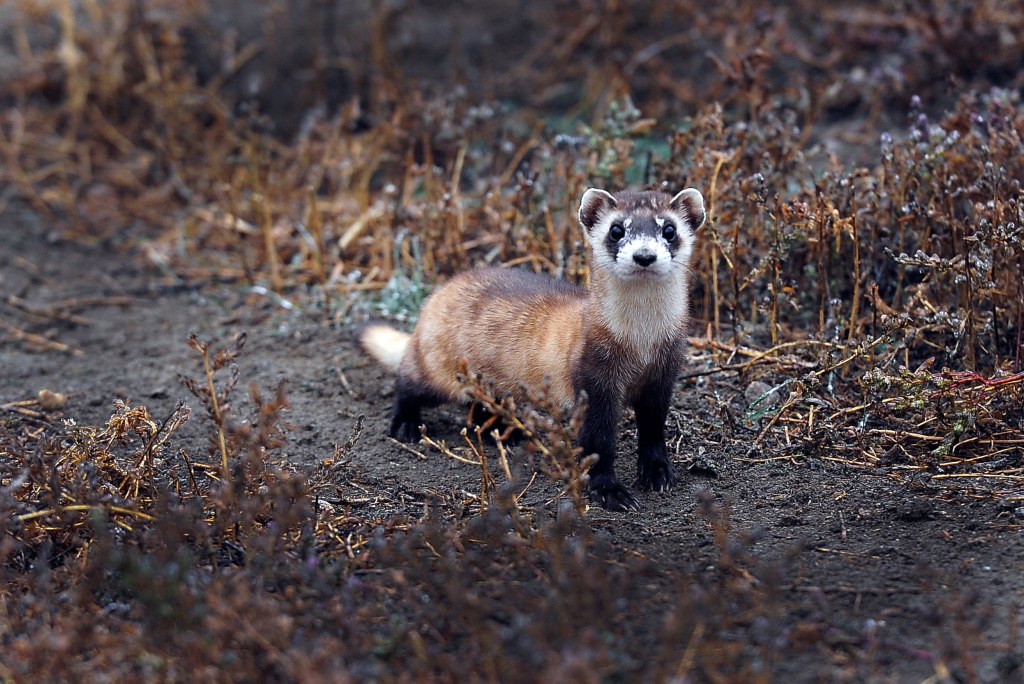
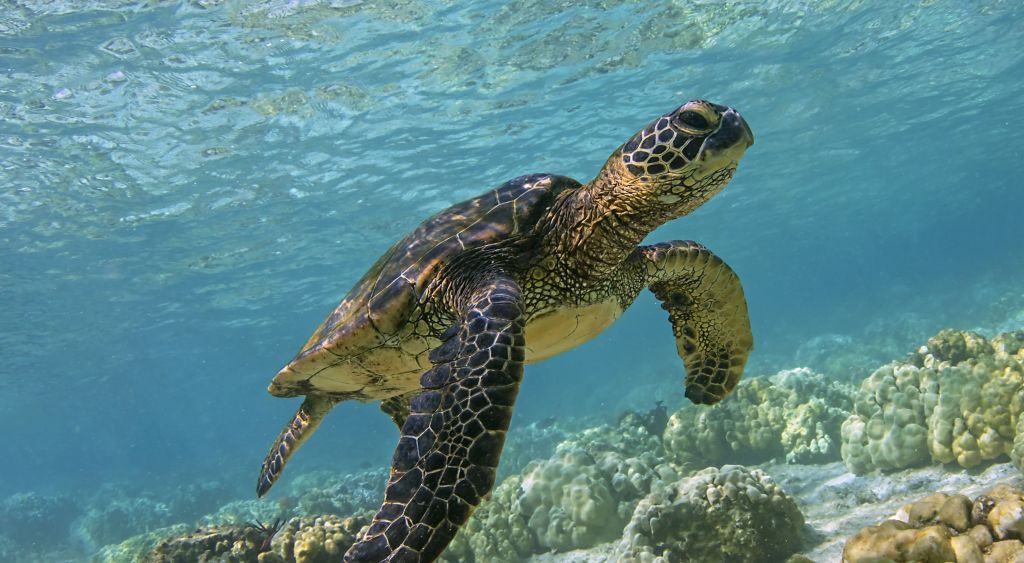
These are just some examples of endangered species, find out more here.
I believe we all want to educate independent and responsible citizens who care for the environment. I will discuss two approaches in teaching love for the environment intrinsically and extrinsically.
Intrinsically and extrinsically- What are they?
Intrinsic and extrinsic motivation are used to measure a person’s incentive to do a task (Ryan and Deci, 2000), ie. whether a person is moved to do so. The orientations of motivation are branched into intrinsic and extrinsic motivation and they reflect the underlying attitudes of actions.
When children are intrinsically motivated to learn about the environment, they do so because of their natural interests or curiosities of nature (Ryan and Deci, 2000). Oppositely, extrinsically motivated children are those who learn based on the results or rewards of learning (Ryan and Deci, 2000), like good grades in environmental education tests or praises from teachers and parents.
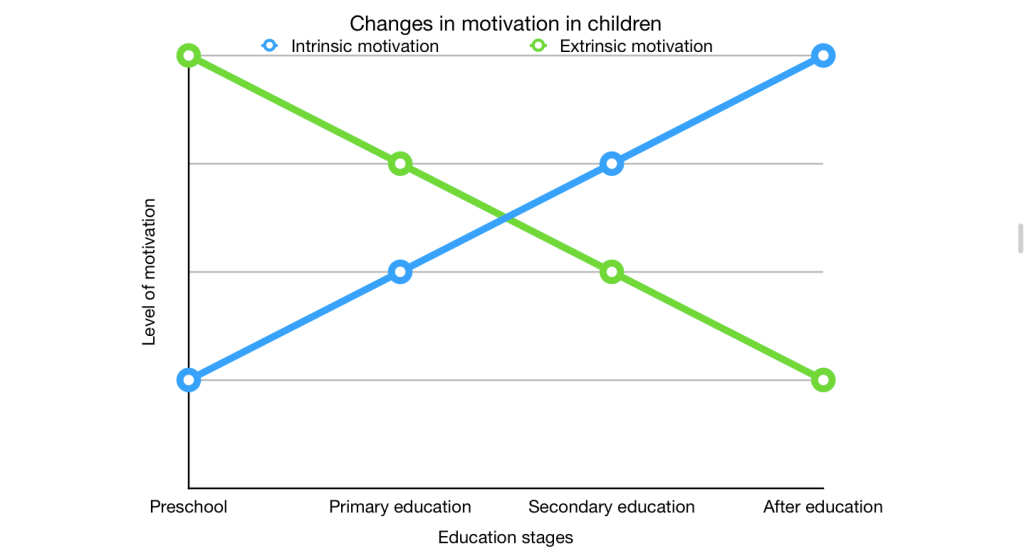
Younger children are more likely to be extrinsically motivated, the research found (Chandler and Connell,1987). When they reach 12-year-old, intrinsic motivation becomes apparent (Gillet, Vallerand and Lafreniare, 2012). These results show that intrinsic and extrinsic motivation does not necessarily opt out the other, they can exist at the same time (Benabou and Tirole, 2003; Vallerand, 1997). It is just the degree of each at different schooling stages that makes the difference.
After looking at the meanings of intrinsic and extrinsic motivation, I believe teaching children to love the environment extrinsically when they are young is better than teaching intrinsically. It is the basis for inspiring intrinsically motivated environment lovers when they leave school.
Why extrinsically?
Have you seen this sign?

The anti-plastic carrier shopping bag policy has become popular around the world, such as in the UK, the States, Ireland and more places. The use of a plastic shopping bag is seen as an environmental hazard (Clapp and Swanston, 2009, p.315).
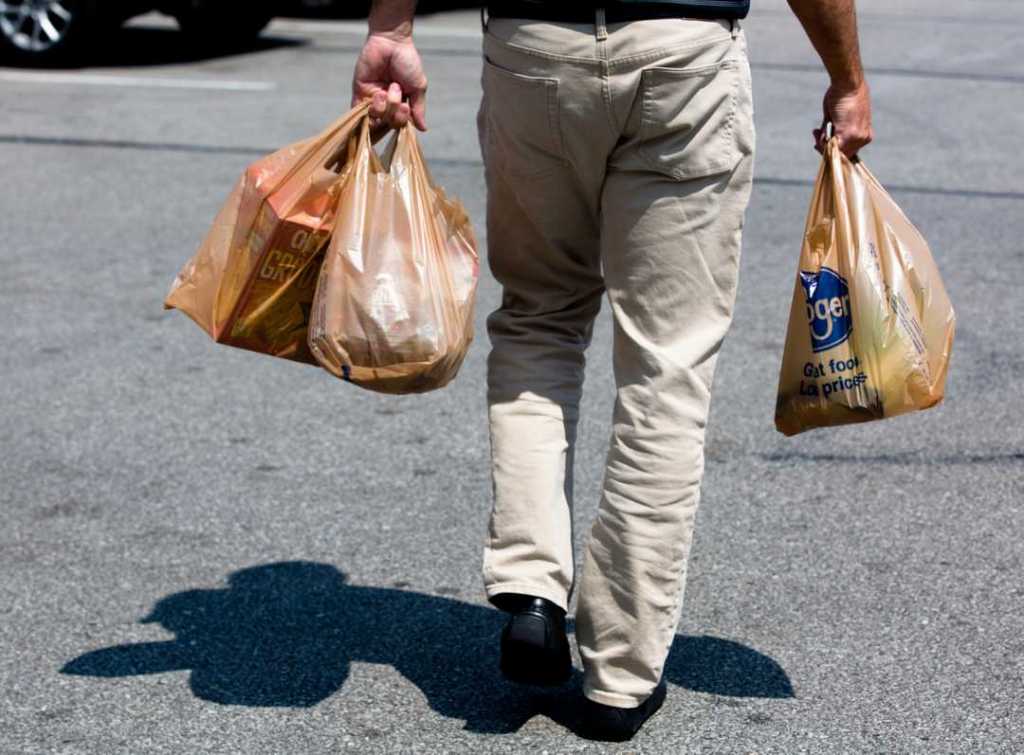
In England, single-use plastic carrier bag is charged 5 pence each since 2015 (Gov. UK, 2018). This policy change draws to the fact that large supermarkets gave out around 8 billion single-use plastic bags in 2014, calculating 61,000 tonnes of litter in total (Gov. UK, 2018). Seeing the enormous amount of waste produced, the British government has decided to charge her citizens. After this policy started, the use of plastic bag in England has dropped by 86% (Gov. UK, 2019).
On the surface, it appeared that this policy was a huge success and the policy has induced a change in consumer behaviour. But does that mean people are more environmentally-friendly now? UNFORTUNATELY, the change in behaviour has restricted in plastic bag consumption and did not transfer to other areas.
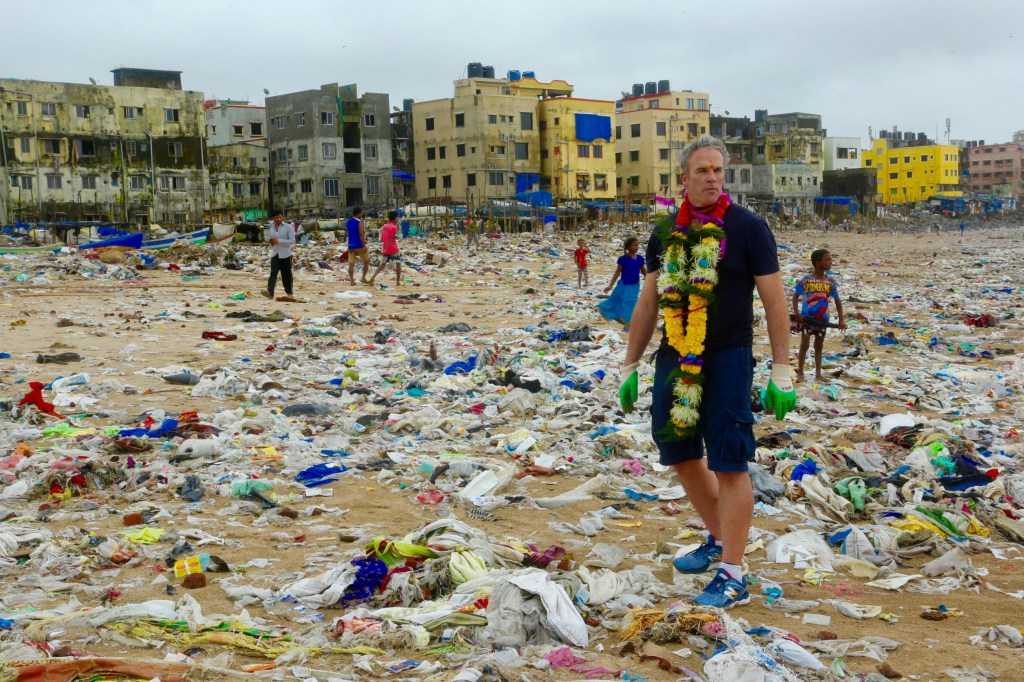
For example, the Marine Conservation Society (2018) has found that the amount of litters on the beach has not dropped in the last decade. 204.4/100m plastic bags were found on the beach in 2018, together with other litters including bottles and wet wipes.
Other than littering, energy usage in the UK has not shown a declining trend. Looking at the Government statistics, the national energy consumption in 2018 has increased in the transport and industry sectors specifically (Gov UK, 2018).
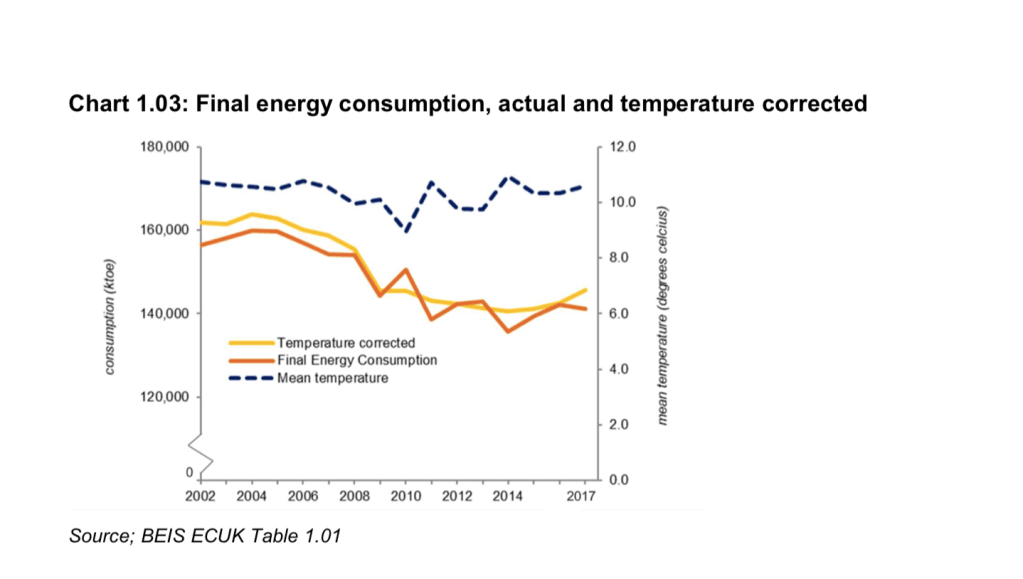
The line graph shows that energy consumption has kept increasing since 2014, and the trend has only decreased SLIGHTLY in 2016. Not much change can be noticed, really.
Charges as a punishment of the excessive use of plastic bag deter the use of plastic bag only but not in other areas, showed by the above examples– litters on the beach and energy consumption remains high. Can the government charge for everyone who litters on the beach and uses energy? How many can we punish to really save the Earth?
This phenomenon has reflected a disappointing fact–most people don’t care for what they do to the environment. Blindly relying on people’s intrinsic love for the environment is not good enough. Merely the fact that this punishing policy is needed to be introduced coercively is a strong indicator that we don’t have enough intrinsic love for the environment. The lack of effective environmental education in the UK in the last decade has taken a toll on us!
Is human born selfish?

Ever asked young children to share chocolate with you? They hesitate and refuse to do so! Why are children always fighting for toys? That is because they intrinsically think of their self-interests first–‘I want that toy!’.
‘Self-interest is the most fundamental human motivation.’ (Hobbes, 1950).
We often put our self-interests first (Etzioni, 1993). From the daily use of disposable drinking cups and cutleries (Razza et al, 2009) we can see how ‘selfish’ we are: we choose to use plastic cutleries instead of reusable ones just for our own convenience. BUT, our happiness is built upon the destruction of the environment.
Well, I am not saying the human is evil, it is just that we tend to protect our self-interests first. Hobbes (1950) framed the prioritisation for our self-interests before others’ is ‘selfishness’. So, it is in our nature.
But is innate selfishness an excuse to do these?
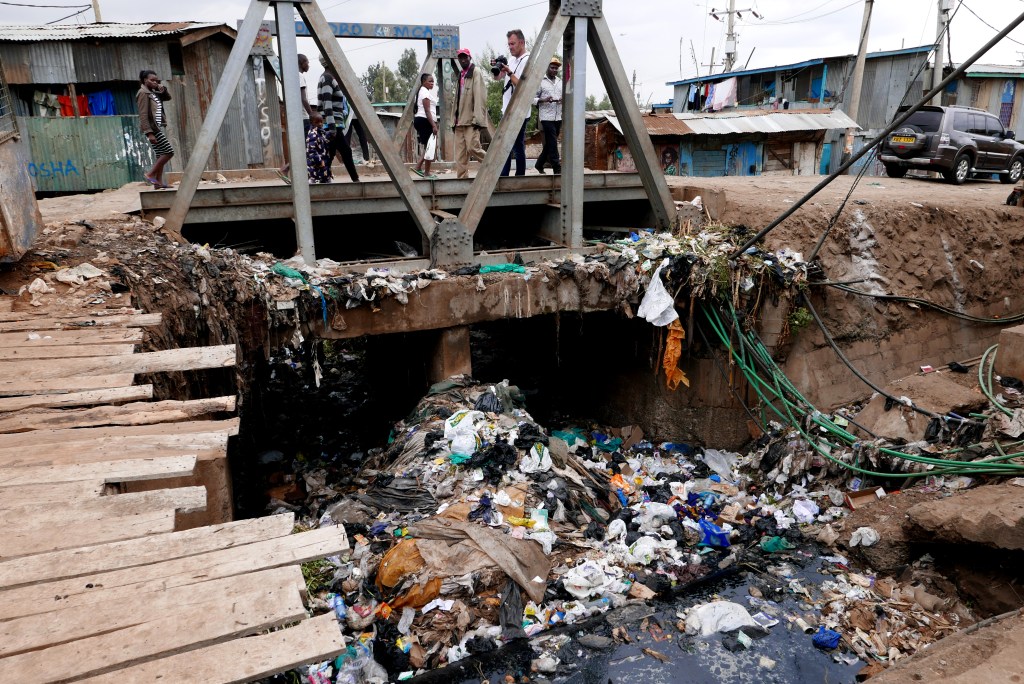
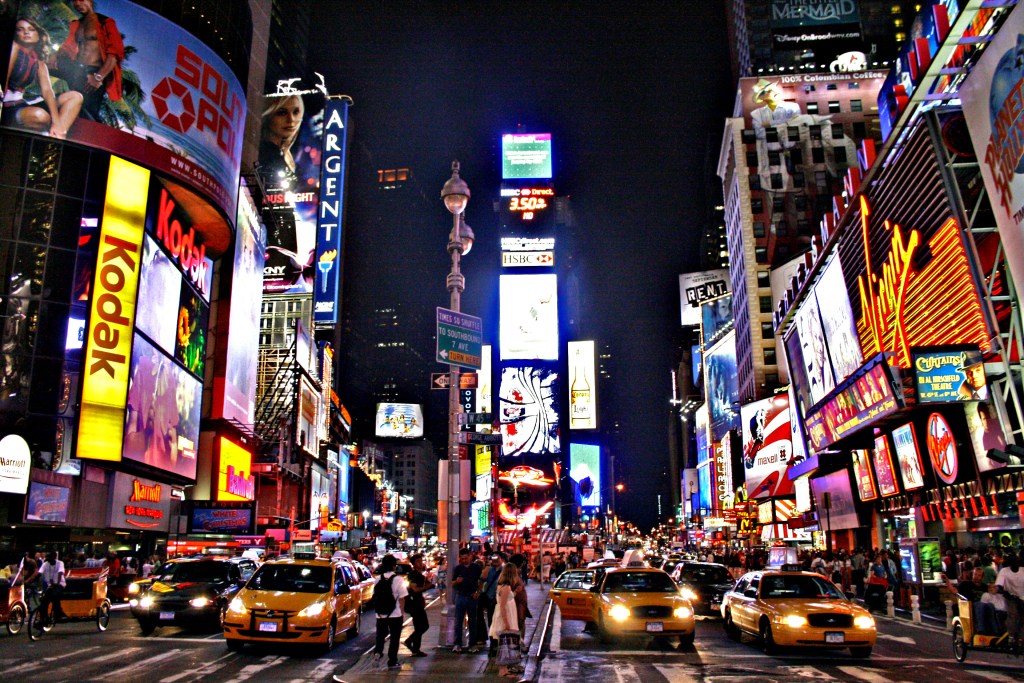
Why do we dump rubbish down the rivers? Do we really need neon lights?
These actions clearly show that human selfishness is harmful to the environment! Therefore, children should motivated extrinsically to learn more about the environment and the crisis we are facing.
In this case, teachers should motivate them with extrinsic motivators when children have little awareness of environmental protection. Teachers should snatch the opportunity to provide a platform for students to explore and formulate their values under their guidance.
It is important to allow our children to understand the interaction between human activities, its consequences and its effects on the environment. By exposing these environmental issues to children when they are young could help them establish a knowledge base of the environmental crisis and widen their horizons.
Only when children get to personally connecting with the environment can they develop an affection of it. Extrinsic motivators can be utilised to inspire intrinsic love of the environment!
What can schools do?
Good news is, teaching environmental education at school is not as hard as we taught! There are many extrinsic motivators!

Here are some tips on what can be done at school:
- Make conservative projects part of the curriculum. For example, picking up trash on the beach with teachers can raise the awareness of children on what our nature looks like now.
- Have a Recycling Reward System. Small gifts are good incentives to encourage children to take part in recycling.
- Give tests on environmental issues. It makes children revise on environmental issues and think critically on their roles in environmental protection.

There are recourses availablefor teaching environmental education across the curriculum.
Environmental education does not need to be a separate subject, it can be incorporated into the national curriculum. See how it works.
These activities all together provide a platform for children to experience the beauty of nature, so to increase the chance of developing an intrinsic love to the environment. It is hoped that children will protect the environment out of their love after they leave school.
Inspiring children to be willingly engaged in environmental issues is the most effective way to keep them intrinsically motivated in the long term.
What would the world be like when children love the environment with their hearts?
Let's look at environmental campaigns.
Greenpeace and the World Wide Fund (WWF) are examples of conservation organisations that aim to create an environment where human and wildlife can live together peacefully (WWF, 2019).


Many of these conservation organisations organise regular campaigns aiming to raise the awareness of people to care for the Earth.
Like the ‘Earth Hour’ by WWF.
See what people think about ‘Earth Hour’.
SURPRISINGLY, young people constitute a huge part in environmental campaigns (Östman, 2014).
A case study- Protest on climate change:
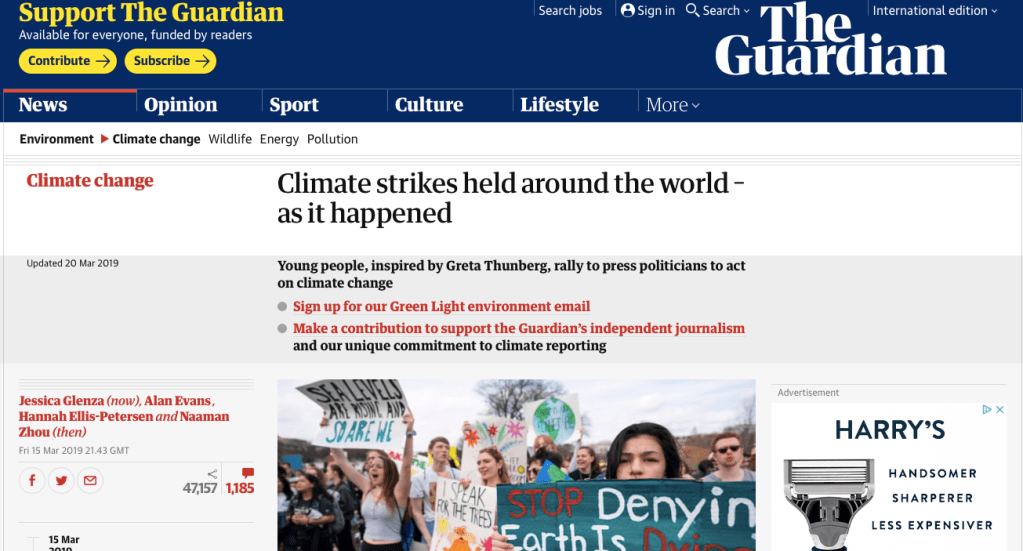
A protest battling climate change took place on 15 March 2019 and spread like wildfire across Germany, the States, Chile and more countries around the world.
‘Over 24 hours of climate action, organizers of the climate strike believe more than 1 million students skipped school on Friday or protest government inaction on climate change.’ (The Guardian, 2019).
Youth participation in environmental protection is a reflection of a successful environmental education: young people are aware of the environment even after they left schools. Although participation in these campaigns is not mandatory and young people can just walk away, many of them are showing supports to environmental conservation via social media, demonstration, protest and writing letters to the government.
Also, look at a petition on banning paperboard box in toothpaste packaging:
A petition was risen by an award-winning film composer, Alan Wurman (Wurman, 2019), to ban the use of paperboard box when selling toothpaste in the States. He used Iceland as an example to illustrate the unnecessary of using paperboard box for packaging. As of 5 April 2019, 101,275 signatures were collected. He also provided the benefits of banning paperboard box in his video.
These examples are encouraging! Young people are actually showing their love for the environment by participation! This shows that they have progressed from learning about the environment extrinsically to caring for the environment intrinsically.
To sum up, teaching children to love the environment extrinsically when they are young provides the opportunities for them to experience the beauty of nature, learn about environmental issues and are moved to do something about environmental protection.

Babe Dioum’s (1968) saying is so true (also at the top of this page), ‘In the end we will conserve only what we love; we will love only what we understand and we will understand only what we are taught’. Teaching and exposing children to environmental issues and the beauty of the nature helps them to understand their role in environmental protection. Also, bringing children to see the beauty of the environment enables them to build a connection with the Earth.
In the end, they need to love the environment wholeheartedly to take conservative actions.
The future is in their hands. If we don’t teach our children to love the environment now, when?
Comment below to share your opinions on environmental education!
References
Austin, G. and Sugihara, K. (eds.) (2013) Labour-intensive industrialization in global history. Oxon: Routledge.
Benabou, R. and Tirole, J. (2003) Intrinsic and extrinsic motivation. The review of economic studies, 70(3), pp.489-520.
Chandler, C.L. and Connell, J.P. (1987) Children’s intrinsic, extrinsic and internalized motivation: A developmental study of children’s reasons for liked and disliked behaviours. British Journal of Developmental Psychology, 5(4), pp.357-365.
Charter, M. (1992) Greener Marketing. Sheffield: Greenleaf Publishing.
Clapp, J. and Swanston, L. (2009) Doing away with plastic shopping bags: international patterns of norm emergence and policy implementation. Environmental politics, 18(3), pp.315-332.
Douglas, B., Kearney, M.T. and Leatherman, S.P. (eds.) (2000) Sea level rise: History and consequences. Florida: Elsevier.
Etzioni, A. (1993) Normative-affective choices. Human Relations, 46(9), pp.1053-1069.
Gillet, N., Vallerand, R.J. and Lafrenière, M.A.K. (2012) Intrinsic and extrinsic school motivation as a function of age: The mediating role of autonomy support. Social Psychology of Education, 15(1), pp.77-95.
Gov. UK (2018) Carrier bags: why there’s a charge. Available at: https://www.gov.uk/government/publications/single-use-plastic-carrier-bags-why-were-introducing-the-charge/carrier-bags-why-theres-a-5p-charge (Accessed 4 April 2019)
Gov UK (2018) Energy Consumption in the UK. Available at: https://www.gov.uk/government/statistics/energy-consumption-in-the-uk (Accessed 5 April 2019)
Gov. UK (2019) Plastic carrier bags: Gove sets out new measures to extend charge. Available at: https://www.gov.uk/government/news/plastic-carrier-bags-gove-sets-out-new-measures-to-extend-charge (Accessed 4 April 2019)
Gov. UK (2019) Plastic bag sales in ‘big seven’ supermarkets down 86% since 5p charge. Available at: https://www.gov.uk/government/news/plastic-bag-sales-in-big-seven-supermarkets-down-86-since-5p-charge (Accessed 4 April 2019)
Henderson, J. (2000) The context of the state of nature. Reclaiming Indigenous voice and vision, pp.11-38.
Hobbes, T. (1950) Leviathan, Everyman’s Library. New York: Dutton.
Hock, R. (2005) Glacier melt: a review of processes and their modelling. Progress in physical geography, 29(3), pp.362-391.
Irish Government (2019) Plastic Bag Levy. Available at: http://www.irishenvironment.com/iepedia/plastic-bag-levy/ (Accessed 4 April 2019)
IUCN (2015) The IUCN Red List of Threatened Speciestm. Available at: https://www.iucn.org/sites/dev/files/import/downloads/iucn_brochure_low_res.pdf (Accessed 4 April 2019)
Jevrejeva, S., Jackson, L.P., Grinsted, A., Lincke, D. and Marzeion, B. (2018) Flood damage costs under the sea level rise with warming of 1.5° C and 2° C. Environmental Research Letters, 13(7), pp.1-11.
Legislation Gov. UK (2019) Legislation for the theme Environment. Available at: http://www.legislation.gov.uk/all?theme=environment&page=4 (Accessed 1 April 2019)
Lubchenco, J. (1998) Entering the century of the environment: a new social contract for science. Science, 279(5350), pp.491-497.
Marine Conservation Society (2016) Great British Beach Clean 2016 Report. Available at: https://www.mcsuk.org/downloads/gbbc/2016/GBBC_2016_Report.pdf (Accessed 5 April 2019)
McGrew, A. (1990) The political dynamics of the new environmentalism. Industrial Crisis Quarterly, 4(4), pp.291-305.
National Geographic (2019) The Big Thaw. Available at:https://www.nationalgeographic.com/environment/global-warming/big-thaw/ (Accessed 4 April 2019)
Östman, J. (2014) The influence of media use on environmental engagement: A political socialization approach. Environmental Communication, 8(1), pp.92-109.
Pellizzoni, L. (2004) Responsibility and environmental governance. Environmental politics, 13(3), pp.541-565.
Razza, F., Fieschi, M., Degli Innocenti, F. and Bastioli, C. (2009) Compostable cutlery and waste management: An LCA approach. Waste management, 29(4), pp.1424-1433.
Ryan, R.M. and Deci, E.L. (2000) Intrinsic and extrinsic motivations: Classic definitions and new directions. Contemporary educational psychology, 25(1), pp.54-67.
Sansone, C. and Harackiewicz, J.M. (eds.) (2000) Intrinsic and extrinsic motivation: The search for optimal motivation and performance. New Jersey: Elsevier.
Strong, C. (1998) The impact of environmental education on children’s knowledge and awareness of environmental concerns. Marketing Intelligence & Planning, 16(6), pp.349-355.
Vallerand, R.J. (1997) Toward a hierarchical model of intrinsic and extrinsic motivation. Advances in experimental social psychology, 29, pp.271-360.
World Wide Fund (2019) Who We Are. Available at: https://www.wwf.org.uk/who-we-are (Accessed 1 April 2019)
Wurman, A. (2019) Bio:Alan Wurman. Available at: https://www.alanwurmanmusic.com/bio (Accessed 5 April 2019)

 Should we teach children to love the environment intrinsically or extrinsically?